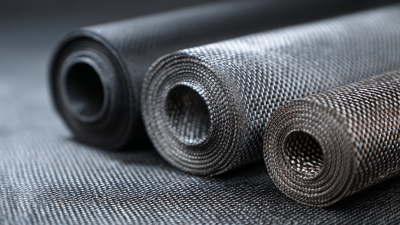
When it comes to building infrastructure, picking the right materials and equipment is super important. The Composite Geogrid Machine, in particular, really stands out because of its unique perks. Even though it might look like just another gadget, this tech actually does a lot—like reinforcing soil layers to make structures more stable and durable.
More and more construction companies are jumping on the bandwagon and starting to use the Composite Geogrid Machine. At first glance, it’s pretty simple gear, but don’t let that fool you—its impact is pretty significant. Take road construction, for example. The geogrid can handle heavy loads, which means roads last longer and need less fixing up down the line. But, heads up—it's important to really think about what your project needs. Not everything calls for a composite solution.
Now, working with this machine isn’t all smooth sailing. Companies need to make sure their workers are properly trained to handle it. And yeah, the initial cost can be a bit intimidating. Still, looking at the long-term savings and benefits makes it worth considering. All things considered, incorporating this tech can seriously improve project results. Honestly, trying out new materials and tools like this could totally shake up the usual ways we do things in construction.

Benefits of Composite Geogrids in Construction Projects
Composite geogrids are becoming vital in modern construction projects. They offer remarkable benefits, especially in soil stabilization and load distribution. According to recent industry reports, using composite geogrids can enhance the overall strength of soil structures by up to 30%. This improvement directly impacts project durability and safety.
In many cases, the installation of composite geogrids can reduce the amount of material needed for construction by over 15%. This reduction not only lowers costs but also minimizes environmental impact. For example, a study indicated that projects incorporating geogrids required 25% less aggregate material, leading to substantial savings in both time and expenses.
Despite these benefits, some engineers still hesitate to adopt new technologies like composite geogrids. The challenge often lies in the lack of training and awareness of their effectiveness. This gap can result in missed opportunities for improved performance. Balancing traditional methods and innovative solutions is crucial. Ultimately, embracing composite geogrids can lead to significant advancements in construction project efficiency and sustainability.
Factors to Consider When Choosing a Geogrid Machine
When selecting a geogrid machine, several factors must be taken into account. The first consideration is the type of project you are working on. Different projects require varying material strengths. According to industry reports, a composite geogrid exhibits a tensile strength of up to 300 kN/m. This is vital for projects involving heavy loads or expansive terrains.
Another important factor is production capability. Geogrid machines vary in their output rates. Some machines can produce several hundred square meters of geogrid per hour. This can significantly influence project timelines. However, higher output may compromise quality. An imbalance can lead to structural failures, which cannot be overlooked in engineering practices.
Materials used in the manufacturing process also greatly affect durability. Reinforced polymers have been proven to enhance longevity against environmental factors. Reports indicate that geogrids made from these materials can last 10-20 years with minimal degradation. This reflects the long-term cost benefits, but initial investment costs must also be evaluated. Often, the cheapest option may lead to higher maintenance costs over time. Balancing upfront expenses with future reliability is crucial for any construction project.
Comparison of Geogrid Machine Features
Types of Composite Geogrid Machines Available
Composite geogrid machines are essential for modern construction and civil engineering projects. These machines help produce geogrids that enhance soil stability and load distribution. Different types of composite geogrid machines cater to various project requirements.
The most common types include uniaxial and biaxial geogrid machines. Uniaxial machines produce grids that are strong in one direction, ideal for slope reinforcement. Biaxial machines, on the other hand, create grids with equal strength in both directions. According to a report by the Geosynthetics Association, the demand for biaxial geogrids is expected to grow by 15% annually due to their versatility in applications.
Some machines produce composite geogrids that combine different materials for improved performance. For instance, machines that integrate polymers and fibers have emerged. These advanced machines help enhance durability and resistance to environmental factors. However, manufacturers face challenges in balancing production speed and quality standards. The technical requirements are demanding, and errors can lead to significant project delays and increased costs. It's crucial for project managers to carefully consider their choice of geogrid machine to ensure the best outcome for their construction needs.
How Composite Geogrids Enhance Soil Stability
Composite geogrids are pivotal in enhancing soil stability. They are engineered to improve load distribution. This results in reduced settlement and erosion in soil applications. According to a study by the Federal Highway Administration, using composite geogrids can reduce post-construction settlement by up to 50%. Such significant improvements are vital for infrastructure projects, especially in areas prone to heavy traffic loads.
Moreover, these geogrids provide excellent tensile strength. They help retain soil integrity, especially in embankments and slopes. A report from the American Society of Civil Engineers highlights that composite geogrids can effectively double the bearing capacity of weak soils. This feature is crucial for projects with challenging ground conditions. Yet, reliance on these materials must be tempered with an understanding of soil behavior and local conditions.
However, the application of composite geogrids is not without challenges. Proper installation is key to unlocking their full potential. Inadequate installation can lead to failures, countering the benefits. Engineers must take a careful approach, ensuring alignment and tension during setup. Addressing these concerns is essential for successful project outcomes while utilizing composite geogrids effectively.
Environmental Impact of Using Composite Geogrids
The environmental impact of using composite geogrids is significant. These materials, made from a combination of polymers and geosynthetics, enhance soil stability and reduce erosion. They also promote vegetation growth, which can help restore ecosystems. This method is more sustainable compared to traditional materials, like concrete and steel.
However, the production of composite geogrids involves energy consumption and resource extraction. This raises concerns about their carbon footprint. Recycling can mitigate some environmental challenges. It's crucial to focus on the end-of-life of the product. What happens after their use? Do they contribute to waste?
Despite the advantages, there are limitations. Not every project may benefit from composite geogrids. The choice must align with specific project goals. It's essential to weigh the environmental benefits against potential drawbacks. Striving for a balance is vital in making responsible choices. Overall, understanding these factors can lead to better environmental stewardship.
Cost-Effectiveness of Composite Geogrid Production
When considering a composite geogrid machine for your project, cost-effectiveness stands out. These machines efficiently produce sturdy geogrids, which are essential for various construction applications. Their design minimizes waste and ensures that every material is used effectively. This directly impacts production costs, making it a more affordable option for contractors.
The initial investment for a composite geogrid machine may seem high. However, the long-term savings can be significant. Reduced material waste leads to lower costs over time. Additionally, faster production rates mean that projects can be completed more quickly. This often results in lower labor costs.
One must also consider maintenance expenses. Machines that are more complex may require specialized personnel for upkeep. This can erode some of the initial savings. It’s crucial to assess the balance between upfront costs and long-term efficiency. Ultimately, choosing the right machine can lead to notable financial benefits, but it requires thoughtful evaluation.
Case Studies: Successful Projects Using Composite Geogrids
Composite geogrids have gained popularity in various projects due to their effectiveness in soil stabilization and reinforcement. A notable case study involves a highway construction in a challenging terrain. Engineers used composite geogrids to enhance the load-bearing capacity of the soil. As a result, they minimized the risk of settlement. However, initial installation faced challenges, as incorrect positioning at times led to inadequate support.
Another significant example is a landfill project that utilized composite geogrids for slope stability. The material helped distribute loads evenly across the structure. While the project was successful, some issues arose during the monitoring phase. Regular inspections revealed slight deformation in certain sections. This prompted a reevaluation of installation techniques and maintenance schedules. These cases highlight that while composite geogrids can improve project outcomes, attention to detail during application is crucial.
In some instances, the cost of materials may deter projects from adopting composite geogrids. Budget constraints can lead to rush decisions. However, the long-term benefits often outweigh initial hurdles. More awareness and education on proper usage can lead to even better project success rates.
FAQS
: Composite geogrids are materials used in construction for soil stabilization and load distribution.
They can enhance strength by up to 30%, improving project durability and safety.
Yes, they can reduce construction materials by over 15%, saving costs and reducing environmental impact.
Many engineers lack training and awareness, missing opportunities for better performance.
The most common machines are uniaxial and biaxial, each designed for different strength applications.
Poor choices can lead to errors, project delays, and increased costs due to demanding technical requirements.
A highway construction project improved soil capacity but faced issues with incorrect geogrid positioning during installation.
Regular inspections indicated slight deformation, prompting a reevaluation of installation techniques and maintenance.
Yes, they can lead to rushed decisions, although long-term benefits may outweigh the initial costs.
Increased education on proper usage could enhance project success rates significantly.
Conclusion
The article "Why Choose a Composite Geogrid Machine for Your Project?" explores the myriad benefits of utilizing composite geogrids in construction, emphasizing their role in enhancing soil stability and overall project efficiency. Composite Geogrid Machines are designed to produce high-quality geogrids that improve load distribution and reduce soil deformation, making them ideal for various applications in construction.
Factors to consider when selecting a geogrid machine include production capacity, material compatibility, and technology efficiency. The article highlights different types of composite geogrid machines available on the market and discusses their cost-effectiveness, taking into account both production costs and long-term project savings. Additionally, it outlines the environmental advantages of using composite geogrids, reflecting a growing trend towards sustainable construction practices. Through case studies, the article illustrates successful projects that have effectively utilized composite geogrids, underscoring their value in modern engineering solutions.