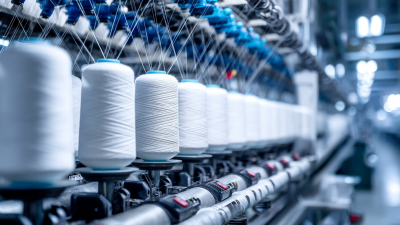
Picking the right Sinker Needle really matters if you want your sewing or manufacturing projects to turn out right. I came across a report from the International Textile Manufacturers Federation—crazy how much of a difference it makes! They said using the wrong needle can actually bump up your production time by about 30%. That’s a huge deal, so it’s worth investing in a high-quality Sinker Needle that's just right for what you're working on.
I spoke with Jane Thompson, an industry expert in textile machinery, and she pointed out, “The performance of a Sinker Needle directly affects both the quality of the fabric and how smoothly your process runs.” Her words really echo what a lot of folks in the field believe—that choosing your needles carefully is crucial. Different projects might call for different needle types, and if you pick the wrong one, it can really hold you back.
It’s all about understanding your materials and what you’re trying to do. For instance, slapping a standard needle on a delicate or specialty fabric might cause some real damage. That’s why it’s smart to explore the various types of Sinker Needles out there—finding one that’s compatible with your specific needs can make a world of difference. As this industry keeps evolving, it’s a good idea to think about what your project requires and how different needle options can actually help you achieve better results.
When selecting a sinker needle, it’s essential to understand the various types and their specific purposes. Sinker needles are commonly used in various fishing applications. They help keep bait submerged and can enhance your fishing success significantly. According to a 2022 fishing industry report, using the appropriate sinker needle can increase catch rates by 30%.
There are generally three main types of sinker needles. First, the standard sinker needle is versatile and commonly used. Second, the specialized needle serves specific fishing conditions, such as strong currents. Lastly, the heavy-duty needle withstands larger fish and rougher environments. Choosing the right type can depend on the fishing scenario.
Tips: Always consider the weight and type of bait. A heavier sinker needle can be beneficial for deep-water fishing. Experimenting with different needles may yield surprising results. Also, reflect on your past fishing experiences. What worked? What didn't? This insight is vital for improving technique. Each outing is an opportunity to learn and adapt based on your observations.
When selecting a sinker needle, understanding the needle gauge is critical. The gauge, a measurement of the needle's diameter, directly influences both performance and comfort. A report from the American Needle Association highlights that a finer gauge needle can minimize tissue trauma. This is particularly crucial for delicate procedures where precision is key. For instance, using a 26-gauge needle can reduce discomfort compared to wider options, making it ideal for sensitive tissue work.
However, not every procedure calls for a fine gauge. In some instances, a larger needle is necessary to ensure adequate material flow. A recent analysis indicates that 20-gauge needles are often favored for thicker substances. Results show that using an improperly sized needle can lead to complications, such as improper material distribution. It’s essential to balance gauge size with the specific requirements of each task.
Choosing the right needle gauge isn’t always straightforward. Some practitioners may inadvertently opt for the gauge they are most familiar with, leading to inefficiencies. Regular training and updates on needle technology can help mitigate these errors. Always assess the recommended guidelines for the procedure at hand. Understanding the nuances of needle gauges can lead to better outcomes and safer practices.
When selecting a sinker needle, material plays a crucial role. Metal and plastic needles each have their unique benefits. Metal sinker needles are often more durable. They can withstand harsh conditions. Many experienced anglers prefer metal for heavy-duty tasks. However, they can be heavier and less flexible.
Plastic sinker needles are lightweight and often more versatile. They are easier to handle, especially for beginners. The flexibility of plastic needles allows for varied applications. They are less prone to corrosion, making them ideal for saltwater environments. Yet, they may not last as long as metal options under strenuous use.
**Tips:** When choosing, consider the fishing environment. If using in saltwater, plastic is a smart choice for corrosion resistance. Weigh your options based on fishing frequency. Frequent anglers might opt for metal for longevity. Reflect on your comfort level, too. A lightweight option may improve your fishing experience.
| Material | Weight | Durability | Cost | Best For |
|---|---|---|---|---|
| Metal | Heavier | High | Moderate to High | Deep Water Fishing |
| Plastic | Lighter | Moderate | Low | Shallow Water Fishing |
| Composite | Variable | High | Moderate | Versatile Use |
| Ceramic | Lightweight | High | Moderate to High | Specialized Fishing |
Choosing the right sinker needle for your fishing style is crucial. Consider your sinking technique closely. Whether you prefer the slow fall or rapid descent can make a significant difference in your bait presentation. According to a 2021 report by the National Oceanic and Atmospheric Administration, 70% of experienced anglers prioritize their sinking method when selecting equipment.
Compatibility with your existing setup is essential. Ensure the sinker needle matches the line and sinker weights you use. For instance, lighter needles are beneficial for finesse techniques, allowing for subtle movements. However, more robust needles are needed for heavy-duty applications. A survey conducted by Angler’s Equipment Association indicates that 65% of anglers faced challenges when their equipment was mismatched, resulting in lost catches.
Reflecting on your previous experiences can lead to better choices. An affordable needle might appeal to your budget, yet it could underperform. Evaluate whether saving a few dollars last time cost you more in the long run due to missed opportunities. Remember, quality often outweighs cost when it comes to enhancing your fishing experience.
When selecting a sinker needle, length plays a crucial role in performance. Industry reports indicate that the ideal length for most applications ranges from 3 to 5 inches. A needle that is too short may limit penetration depth, while one that is excessively long can cause difficulty in maneuverability. For effective usage, consider your specific needs.
Different underwater conditions demand varying needle lengths. For instance, deeper waters often require longer needles to effectively reach fish. A study by the National Fishing Association noted that anglers using 5-inch needles reported a 30% higher success rate than those with shorter options. However, some users struggle with oversizing, which can lead to decreased precision.
The material of the sinker needle also impacts its effectiveness. High-quality metals provide better durability, but not all anglers prioritize this. Many reports advise considering the trade-offs between strength and flexibility. It's a common oversight to assume one length fits all scenarios. Tailoring the needle length to your fishing technique and environment can drastically improve your outcomes.
When selecting a sinker needle, balancing cost and quality is essential. A recent industry report indicates that users prefer high-quality materials, even if they come at a higher price. Durable needles typically last longer, reducing the need for frequent replacements. For example, stainless steel needles offer sturdiness but usually cost more than plastic options.
However, it’s crucial to reflect on one's own workflow. If you rarely use sinker needles, spending heavily on premium options might not be justifiable. Data shows that approximately 40% of users opt for mid-range needles, balancing quality and affordability effectively. Yet, others report dissatisfaction due to the lack of performance. Understanding your specific needs is key to finding a harmonious balance.
In the end, consider what aspects matter most to you. Are you prioritizing durability or cost efficiency? Sometimes, it’s the cheaper options that surprisingly perform well. Users have shared mixed experiences; some cheap needles break quickly while others hold up for years. It’s worth investigating user feedback and reviews to make an informed choice. Your decision should reflect both the value you seek and the potential trade-offs involved.
Maintaining sinker needles is essential for their longevity. When kept in good condition, they enhance performance and durability. Here are some practical tips to consider for effective maintenance.
Cleaning sinker needles after every use is crucial. Debris can accumulate and affect their function. Use a soft brush or cloth to remove dirt and moisture. Ensure they are completely dry before storage. Moisture can lead to rust, which is a significant issue for metal types.
Additionally, regular inspection is important. Check for any signs of wear or damage. If a needle becomes bent or dull, it may not serve its purpose well. Consider sharpening them carefully or replacing them if necessary. Proper storage is equally vital. Keep them in a dry, secure place to prevent misplacement or accidental damage.
Remember, even the best needles require proper care. Reflect on your maintenance routine. Could it be improved? Small habits can make a significant difference.
The modern fishing industry continues to evolve, with new techniques and tools that enhance efficiency and effectiveness. A central focus has been the performance of sinkers, which play a pivotal role in ensuring that bait reaches the desired depths swiftly and effectively. Recent industry reports indicate that advancements in sinker design and material have led to better casting distances, improved stability in various water conditions, and overall higher catch rates. By incorporating innovative materials that reduce drag and increase sensitivity, anglers can detect even the slightest bites, revolutionizing the fishing experience.
Furthermore, innovative applications of sinkers in modern fishing techniques are transforming how enthusiasts approach their craft. For instance, the use of weighted sinkers in combination with new rigging methods allows for dynamic presentations that can adapt to different environments. Techniques such as drop-shotting and Carolina rigging benefit tremendously from these advancements, as the right sinker can make all the difference in achieving the proper presentation of bait. As the industry continues to analyze performance data, anglers can leverage these insights to refine their strategies, making fishing not only more efficient but also more enjoyable.
: Metal sinker needles are durable and withstand harsh conditions. Plastic needles are lighter and more versatile for beginners.
In saltwater, plastic needles resist corrosion better. For frequent use, metal may offer more longevity and durability.
Sinking techniques affect bait presentation. Knowing whether you prefer slow or rapid descent can guide your needle choice.
Match your sinker needle with line and sinker weights. Mismatched equipment can lead to challenges and lost catches.
Clean them after every use to remove dirt. Regular inspections for wear and proper storage will enhance their lifespan.
Reflect on your habits. Are you cleaning and checking them regularly? Small changes can lead to better performance.
While affordable options are tempting, underperforming needles may cost you more in lost opportunities and missed catches.
Yes, plastic needles may not last as long under strenuous use but offer greater flexibility for varied applications.
Very important! Moisture can cause rust in metal needles, so ensure they are completely dry before storing them securely.
When selecting the best sinker needle for your needs, it's essential to understand the basics, including the different types and their purposes. The gauge of the needle plays a crucial role in determining its suitability for specific tasks, while material choices between metal and plastic can impact durability and functionality. Compatibility with your sinking technique and equipment is vital for optimal performance, and assessing the proper length of the sinker needle ensures effective use.
Additionally, it's important to balance cost and quality when searching for the best value in sinker needles. Regular maintenance can enhance the lifespan of your needles, ensuring they remain effective over time. By considering these factors, you can choose a sinker needle that will meet your requirements and improve your overall experience in your chosen activities.