
Lately, it seems like everyone’s talking about the rising demand for Welded Wire Mesh Machines. I came across a recent market report from Research and Markets, and it looks like the welded wire mesh industry is set to grow pretty significantly in the next few years. You know, a lot of this boost is coming from sectors like construction, agriculture, and industry—places where these machines really make a difference. For companies investing in them, it’s not just about keeping up; they’re actually able to cut costs and produce top-notch quality stuff. Pretty cool, right?
A lot of manufacturers have been noticing better productivity and cutting down on labor expenses thanks to these machines, especially with modern ones that come with automation features—things that speed up the whole process and make life a lot easier. But, I’ve also heard some businesses are still hanging onto older equipment, which can lead to inefficiencies and a lot of waste. Not great.
Honestly, putting your money into a good, high-quality Welded Wire Mesh Machine can really help smooth out your operations. Picking the right machine might be the difference between making a profit or losing out. Companies like KWO Technology are really leading the charge and setting some industry benchmarks. That said, it’s really important for businesses to keep an eye on their machinery and workflows—staying innovative is key, but at the same time, they shouldn’t forget to review what they’re already doing well or need to change. Sometimes, a bit of reflection and adaptation goes a long way.

Advantages of Using Welded Wire Mesh Machines in Manufacturing
Welded wire mesh machines have become increasingly popular in the manufacturing sector. These machines are designed for efficiency and reliability, leading to significant cost savings. According to a recent industry report, using a welded wire mesh machine can increase production rates by up to 30%. This is a significant boost for businesses aiming to meet high demand.
One clear advantage is the consistent quality of the mesh produced. Automated machines ensure uniform spacing and tension in the wires, reducing the risk of defects. Studies show that products manufactured with welded wire mesh have a 15% lower return rate compared to other materials. Businesses benefit from fewer customer complaints and greater customer satisfaction.
However, adopting this technology is not without challenges. Initial investments can be high, and training staff may take time. There have been instances where companies faced operational hiccups during the transition. The lack of skilled workers in this specific area can be an obstacle. Time and money spent on overcoming these issues could initially hurt cash flow. Yet, the long-term advantages often outweigh these short-term setbacks.


Revolutionizing Textile Production: The Efficiency of the YXKS2-M Biaxial Warp Knitting Machine
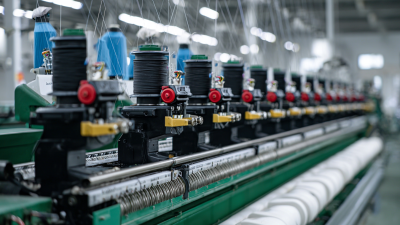
The textile industry is undergoing a significant transformation with the introduction of advanced machinery, notably the YXKS2-M Biaxial Warp Knitting Machine, which is reshaping the standards for textile production efficiency. This state-of-the-art machine is primarily designed for creating high-quality garment lining fabric, a critical component in modern apparel manufacturing. With an impressive gauge of E24, it allows for greater precision in fabric creation, catering to the increasing demand for lightweight yet durable materials in the fashion industry.
Notably, the YXKS2-M features a versatile width range, accommodating various specifications from 138 inches to 278 inches. This flexibility enables manufacturers to optimize their output based on specific garment needs, thus enhancing productivity. The machine's configuration, which includes 2 ground bars and 1 bar of filler threads, significantly contributes to the uniformity and quality of the knitted fabric, aligning with the industry's push towards sustainability and resource efficiency.
Recent industry reports indicate that the global warp knitting machinery market is projected to grow steadily, driven by innovations that enhance speed and reduce energy consumption. The adoption of machines like the YXKS2-M not only supports this growth trajectory but also addresses the increasing consumer demand for high-performance textiles. As manufacturers strive to meet these market dynamics, the efficiency brought about by advanced knitting technologies will be pivotal in maintaining competitive advantage.

FAQS
: Our service aims to provide reliable information. We help users understand various topics better.
You can simply visit our website. It’s user-friendly and easy to navigate.
Our basic information is free. However, some features may require a fee.
We cover a wide range of subjects. You can find health, technology, and lifestyle information, among others.
Content is updated regularly. We try to ensure users receive the latest information available.
Yes, feedback is welcome. We appreciate suggestions to enhance our service.
Please report any errors you find. It helps us improve and provide accurate information.
We rely on credible sources. However, discrepancies may occur occasionally, so user discretion is advised.
Yes, feel free to share. However, please credit our service appropriately.
You can reach out to us directly. We aim to respond promptly, but it may take time.
Conclusion
Welded wire mesh machines have become an essential asset for businesses involved in manufacturing various products. The advantages of using these machines include enhanced production efficiency and consistent quality, making them ideal for diverse applications across industries such as construction, agriculture, and automotive. When selecting a welded wire mesh machine, businesses should consider key features such as welding technology, mesh size versatility, and ease of operation to ensure optimal performance.
Understanding the cost-effectiveness of welded wire mesh production is also crucial, as it can significantly impact overall business profitability. Additionally, regular maintenance is vital for sustaining the machine's performance and longevity. By weighing factors such as production requirements and budget constraints, businesses can make informed decisions about the right welded wire mesh machine to meet their unique needs.
Related Posts
-

The Ultimate Guide to Understanding Wire Mesh Machines and Their Applications
-

Why Choose a Wire Mesh Machine for Your Manufacturing Needs?
-

What is a Wire Mesh Machine and How Does It Work?
-

How to Choose the Best Terry Warp Knitting Machine?
-
15 Best Polyester Geogrid Insights for Global Buyers
-
Unlocking Efficiency: Essential Strategies for Sourcing Spare Parts for Warp Knitting Machines
